
Description
| Origin: | Ma Ao Town, Xiushui County, Jiujiang City, Jiangxi Province |
|---|---|
| Harvest Date: | April 12, 2025 |
| Plucking Standard: | One bud with one or two leaves |
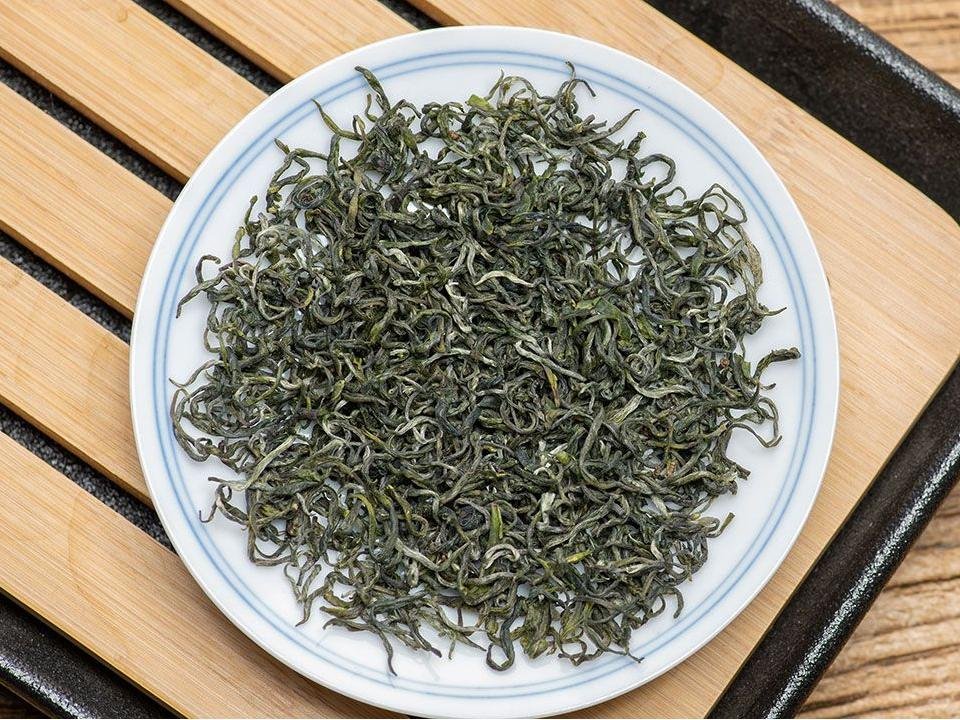
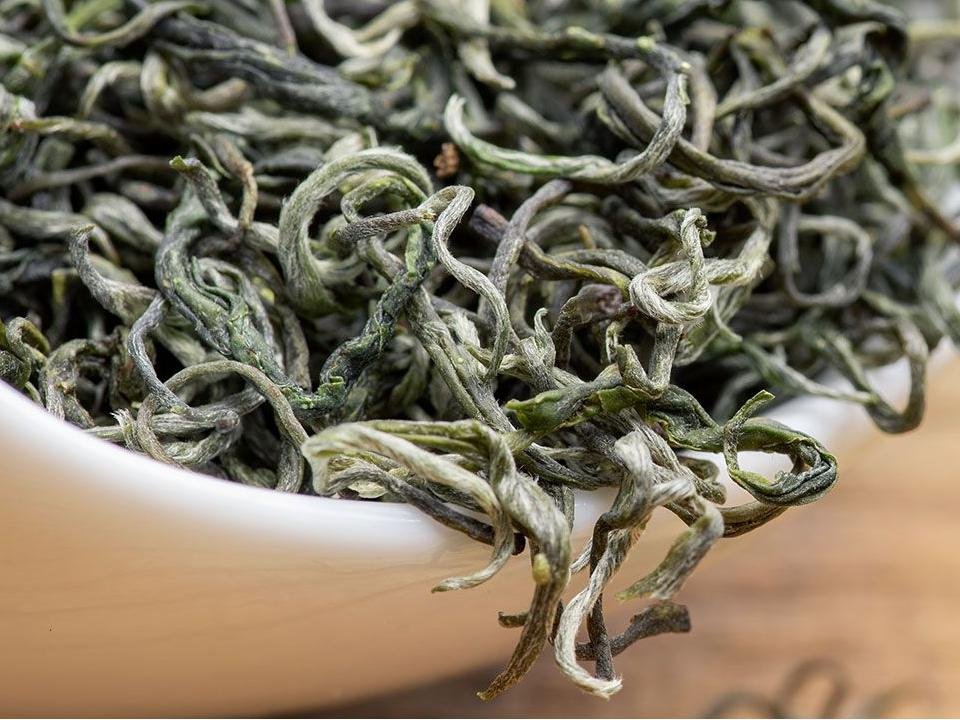
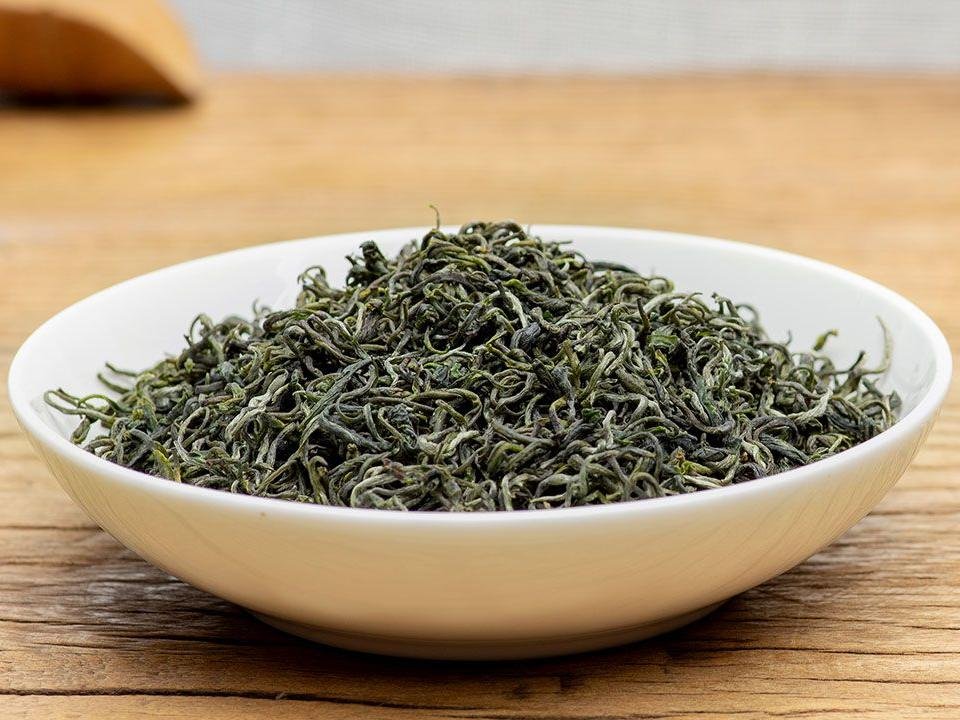
| Dry Leaf: | Slightly curled leaves of even shape, dark green color with white hairs |
| Aroma: | Stir-fried bean aroma, floral and pleasant sweet fragrance |
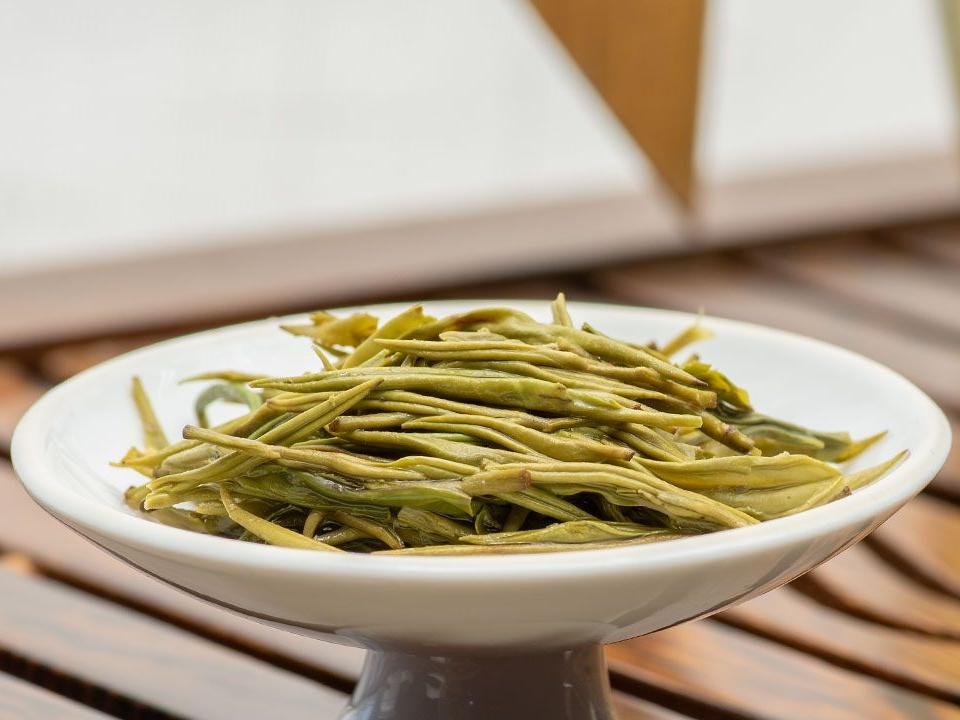
| Liquor: | Bright yellowish green in color |
| Taste: | Smooth and refreshing, sweet and mellow with unique sweet fragrance
and long-lasting sweet aftertaste |
| Tea Bush: | Qunti Species |
| Tea Garden: | Dongjin Tea Garden |
| Caffeine: | Low caffeine (less than 10% of a cup of coffee) |
| Storage: | Store in airtight, opaque packaging; keep refrigerated |
| Shelf Life: | 18 Months |
 |
Cup Method |
 |
Chinese Gongfu Method |
 |
Teacup: 8.8oz / 250ml | |
Gaiwan: 3.8oz / 110ml |
 |
185℉ / 85℃ | |
185℉ / 85℃ |
 |
2.5g Tea | |
4g Tea |
 |
Brewing time: 2 – 3 mins | |
7 steeps: rinse, 7s, 10s, 15s, 20s, 30s, 40s, 60s |
Dongjin Tea Garden is located in the middle of Xiushui County. The soil here has good air permeability, contains abundant minerals and has the characteristics of a large diurnal temperature variation and short sunshine, which provides very good conditions for the growth of tea trees. Furthermore, the tea gerden has passed the Jiujiang Tea Association’s evaluation, satisfied the standards stated by the special logo of “Lu Shan Yun Wu Green Tea” for geographical identification of agricultural goods, and has been permitted to use the unique logo of “Lu Shan Yun Wu Green Tea.”
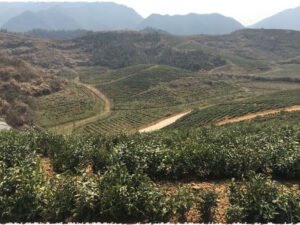
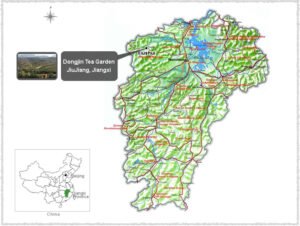
Xiushui County, located in the northwest of Jiangxi Province, has been a famous tea production place since ancient times. Xiushui Ning black tea, known as the origin of Chinese black tea, is produced here. The geographical environment of Xiushui County is excellent, surrounded by mountains, which provides the most advantageous natural conditions for the growth of tea. In addition, its soil is red sandy soil, so it is most suitable for the growth of tea, and thus the tea from here is also unique.
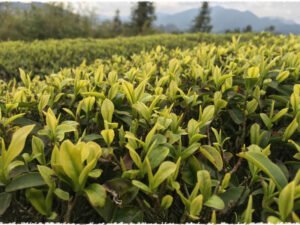
Qunti tea tree species, which is “mother” of Longjing 43, is also called “Lao Cha Peng” or “Tu Cha Ye” by the local tea farmers. It is the earliest species to produce Longjing Tea. “The eighteen imperil tea trees” that named by Qianlong Emperor is also this kind of tea tree species.
Qunti tea tree species are easily to be recognized as they are irregularly planted and spread out. The picking time of this kind of tea tree is later than other species. The tea made by this kind of tea tree species is characteristics in its strong fried-bean fragrant, as well as floral and fruity fragrant.
The Lu Shan Mountains have a long history of being a tea-growing region. This history can be traced back to the Eastern Han Dynasty, around 25-220 AD; it was recorded that the monk Hui Yuan lived in these mountains for over thirty years, during which he gathered other monks and Buddhists, spread the religious ideology, and planted tea trees on the mountain. Lu Shan Yun Wu itself did not appear until the Ming dynasty, and Including this period, it has been in production for over three centuries.
Additional information
| ounce | 4 oz(113g), 8 oz(227g) |
|---|
Related products
-
Sale!
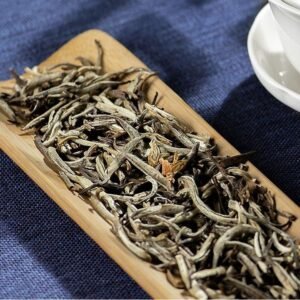
Jasmine Silver Needle White Tea (Mo Li Yin Zhen)
Price range: $18.80 through $32.80 Select options This product has multiple variants. The options may be chosen on the product page -
Sale!
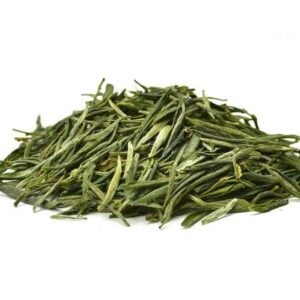
Award Winning Huo Shan Huang Ya Yellow Tea
Price range: $25.80 through $44.90 Select options This product has multiple variants. The options may be chosen on the product page -
Sale!

Award Winning Organic Superfine Dragon Well Long Jing Green Tea
Price range: $22.90 through $42.90 Select options This product has multiple variants. The options may be chosen on the product page -
Sale!
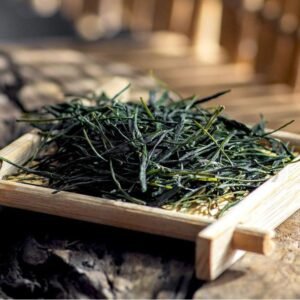
Award Winning En Shi Yu Lu Green Tea
Price range: $23.80 through $40.80 Select options This product has multiple variants. The options may be chosen on the product page
Reviews
There are no reviews yet.