Description
| Origin: | Jasmine – Hengxian County, Nanning City, Guangxi Province, China Green Tea – Jinggu County, Puer City, Yunnan Province, China |
|---|---|
| Harvest Date: | May 28, 2025 |
| Plucking Standard: | One bud with one leaf and one bud with two leaves |
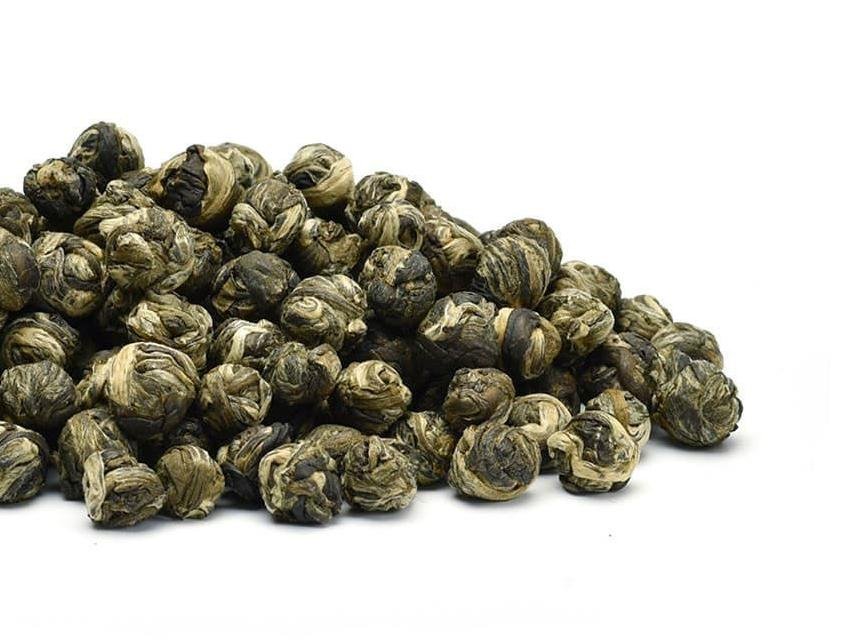
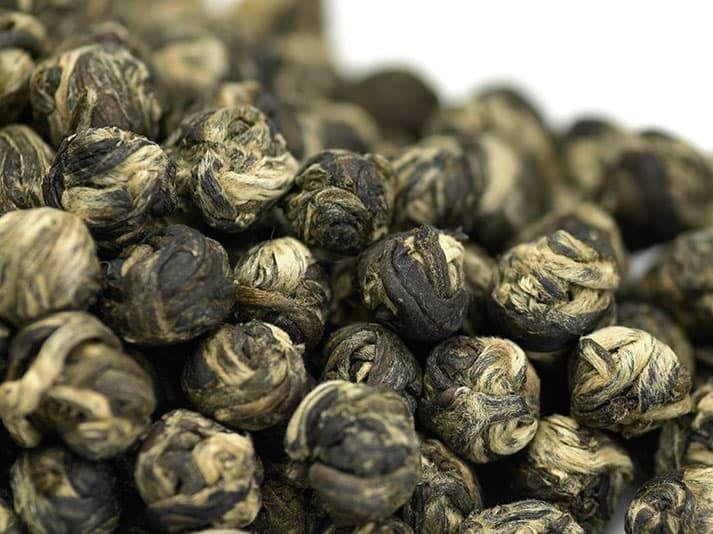
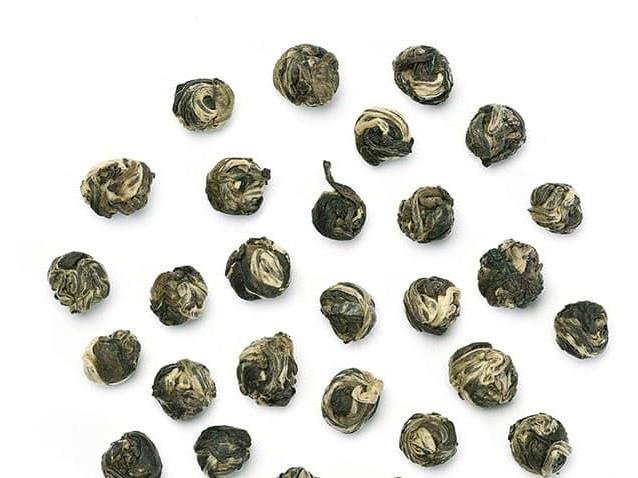
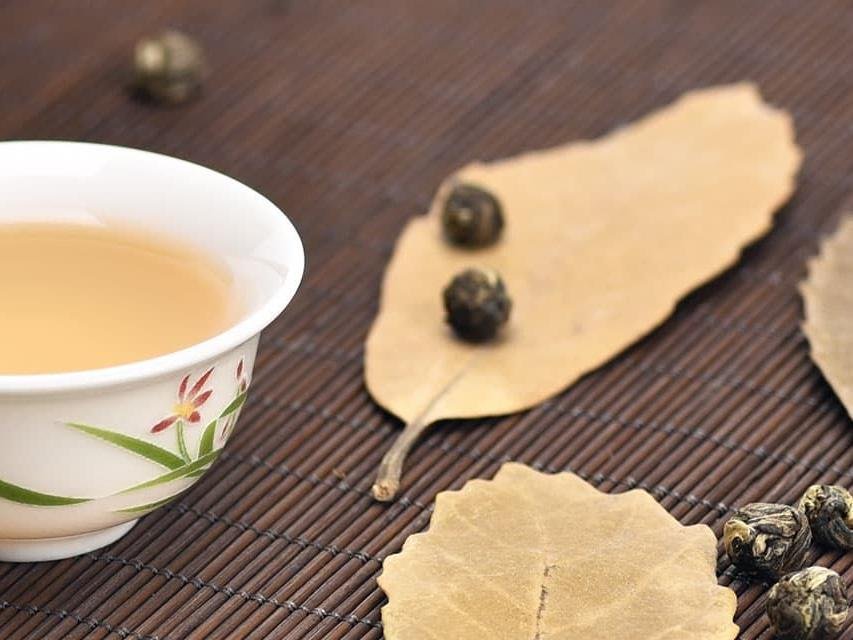
| Dry Leaf: | Round and tight, evenly rolled into a pearl shape, gray-green in color covered with white pekoe |
| Aroma: | Jasmine fragrance and freshness of plants |
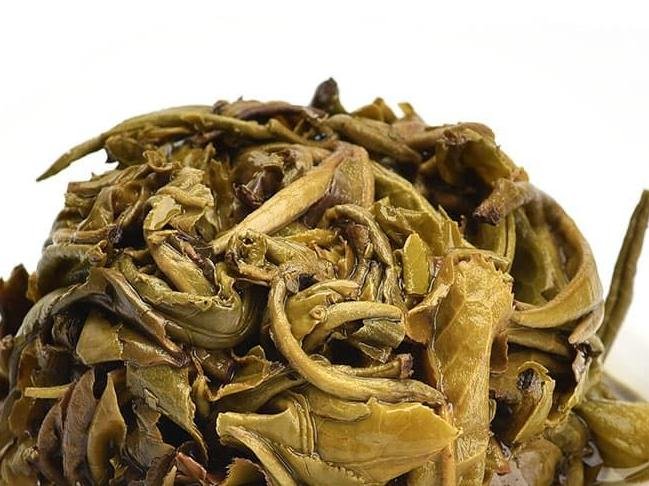
| Liquor: | Yellowish green, a little bright |
| Taste: | Little strong, produce secretion of saliva, and can brew many steeps |
| Tea Scenting: | Three times scenting and one time scenting with flowers of richer fragrance |
| Tea Bush: | Jinggu Da Bai Cha |
| Tea Garden: | Wen Shan Tea Garden, average altitude is about 1800 meters |
| Fermentation: | Non-fermented |
| Caffeine: | Low caffeine (less than 10% of a cup of coffee) |
| Storage: | Store in airtight, opaque packaging; keep refrigerated |
| Shelf Life: | 36 Months |
 |
Cup Method |
 |
Chinese Gongfu Method |
 |
Teacup: 12oz / 355ml | |
Gaiwan: 3.8oz / 110ml |
 |
185℉ / 85℃ | |
185℉ / 85℃ |
 |
1.5 Teaspoons / 3g Tea | |
4g Tea |
 |
Brewing time: 3 – 5 mins | |
10 steeps: rinse, 40s, 40s, 40s, 40s, 50s, 60s, 80s, 100s, 120s, 150s |
| Rinse time is around 5 seconds |
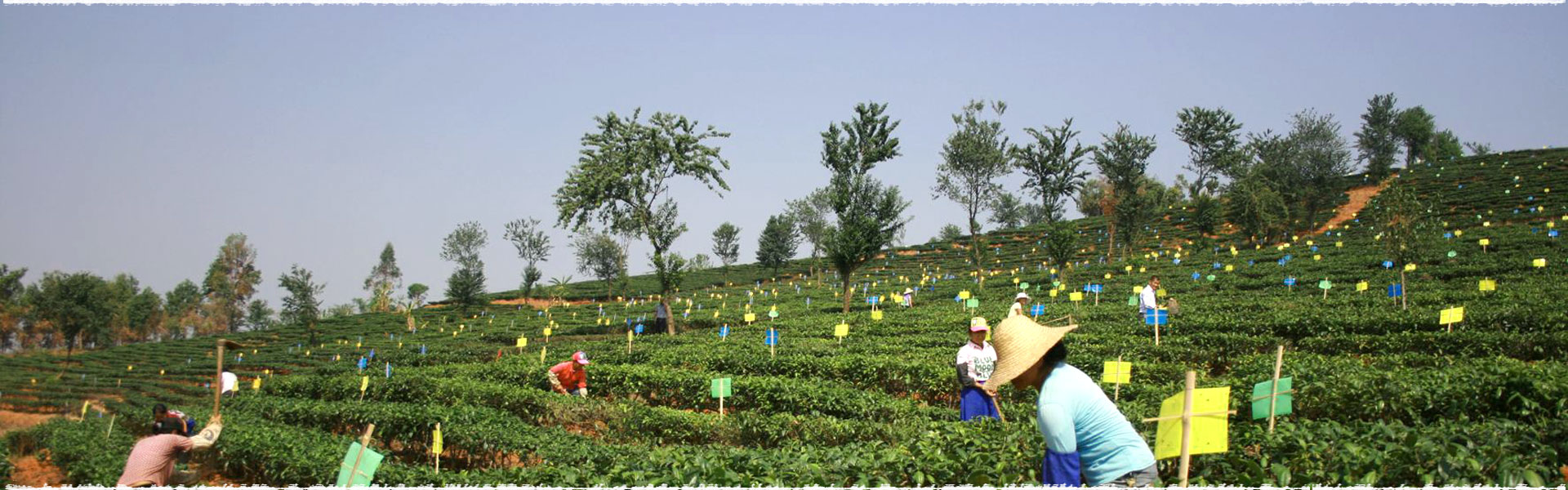
The Wen Shan tea garden is located in Jinggu County in Yunnan, at an altitude of 1800 meters. Environmental conditions such as an annual temperature of 20℃, precipitation of 1588mm, and reddish and yellow-brown soil lead to this area being a prime location for planting tea, walnuts, and other crops.
Along with these superior conditions, this garden also houses many two-hundred-year-old ancient tea trees, which are not very big but have many branches. The trunks of these trees are coated with many mosses, further highlighting the excellent environment.
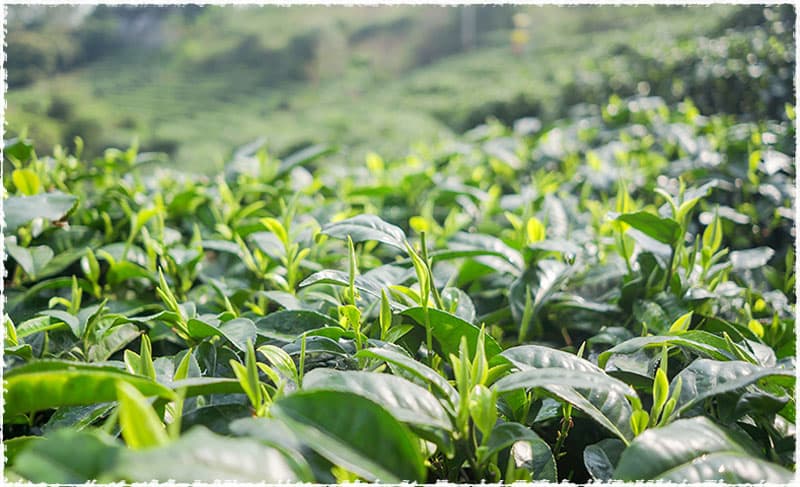
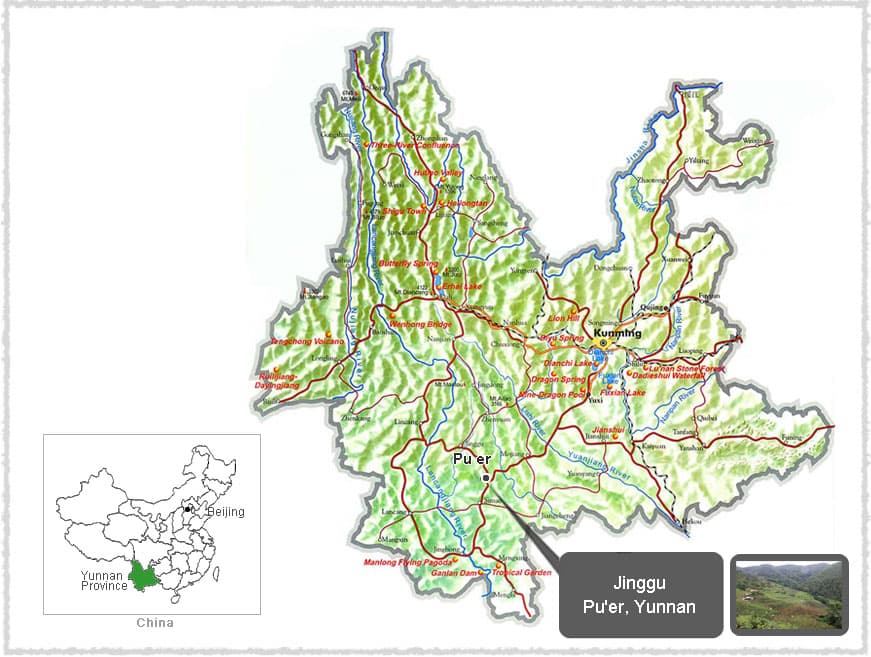
Jinggu is located in Pu’er City in Yunnan, China, and is the birthplace of Jinggu Dabai Cha. This region’s altitude ranges between 600 and 2920 meters, with an average of 1354mm of rainfall and 2065.3 hours of sunshine per year. The area is known for its high mountains and deep valleys of varying elevations, marking it as suitable for growing many different types of tea. Other than Dabai Cha, Jinggu is also renowned for other products such as rosin, Xiangya mango, Yangta white tea, fragrant sticky rice, and others.
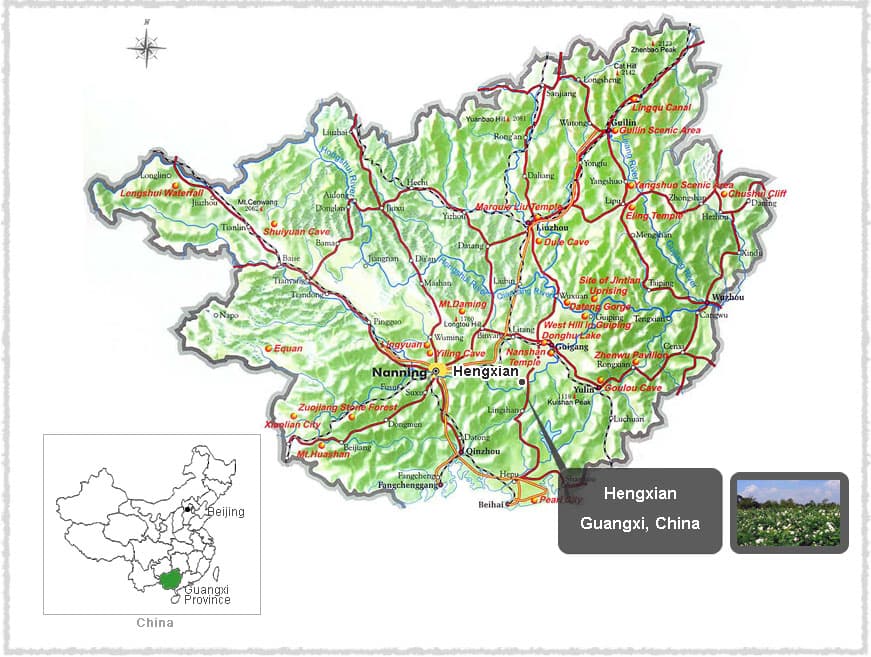
The jasmine used to scent this tea, produced in Guangxi Province in China, has earned nationwide recognition. Hengxian is the important production area, known as “the city of Chinese jasmine” due to its expansive planting area and capability of producing both high-yield and high-quality flowers. Located in the southeastern region of Guangxi, Hengxian covers a total area of 3464 square kilometers.
Jinggu Dabai Cha naturally belongs to an arbor tea tree sourcing from Mt. Kuzhu in Jinggu County. Theses particular plants are locally abundant in the area, and can naturally reach up to five meters tall with thick trunks and sparse branches. Dabai Cha is characterized by its large, soft leaves, and plump fuzzy greenish-white buds.
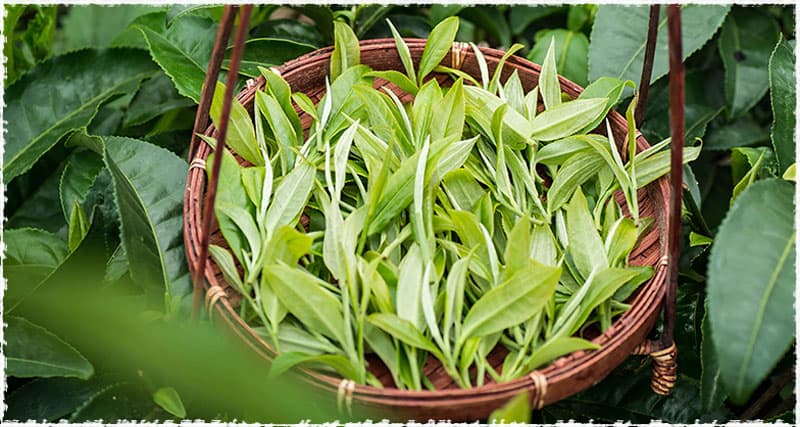
This tea is picked in spring as one bud and two leaves, and is high in soluble compounds. Because of this it is rich in flavor and leaves a sweet lingering aftertaste in the mouth and throat. Tea made from Jinggu Dabai Cha is fairly representative of the special features of Yunnan large-leaf varieties, often used to make high quality pu-erh.
The history of scented green tea reaches back over a thousand years, to the first known innovation of spices and flowers added to tea during the Chinese Song Dynasty around 960AD.
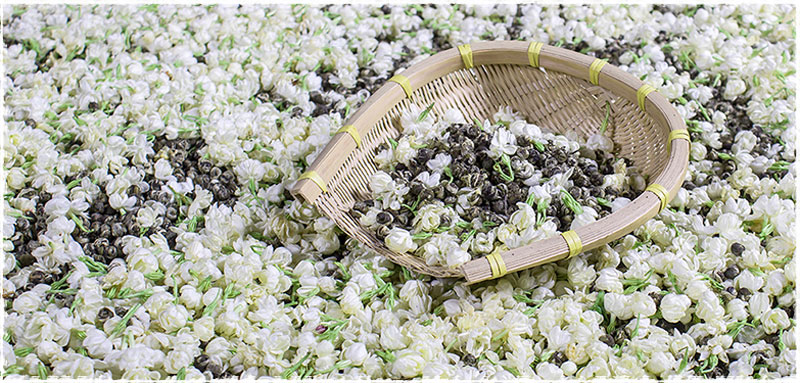
The Ming Dynasty during the 1500s saw the introduction of the scenting method still used today, where the flowers are added to the tea during processing and prior to drying. However, this type of tea was rare in this time due to the complexity of this type of processing.
Then in the mid-1800s during the Qing Dynasty, production methods were perfected and the number of tea gardens rapidly increased, leading to increased production and cheaper prices. This in turn resulted in scented tea becoming widely popular in China, a status which it still retains today.
Additional information
| ounce | 4 oz(113g), 8 oz(227g) |
|---|
Related products
-
Sale!

Yunnan Gongfu Fragrant Black Tea
Price range: $10.80 through $19.90 Select options This product has multiple variants. The options may be chosen on the product page -
Sale!

Organic Bai Hao (White Downy) Green Tea
Price range: $14.70 through $29.90 Select options This product has multiple variants. The options may be chosen on the product page -
Sale!
Xin Yang Mao Jian Green Tea
Price range: $18.80 through $36.80 Select options This product has multiple variants. The options may be chosen on the product page -
Sale!
Award Winning Yun Nan Dian Hong Black Tea – Golden Tip
Price range: $25.90 through $40.80 Select options This product has multiple variants. The options may be chosen on the product page
Reviews
There are no reviews yet.