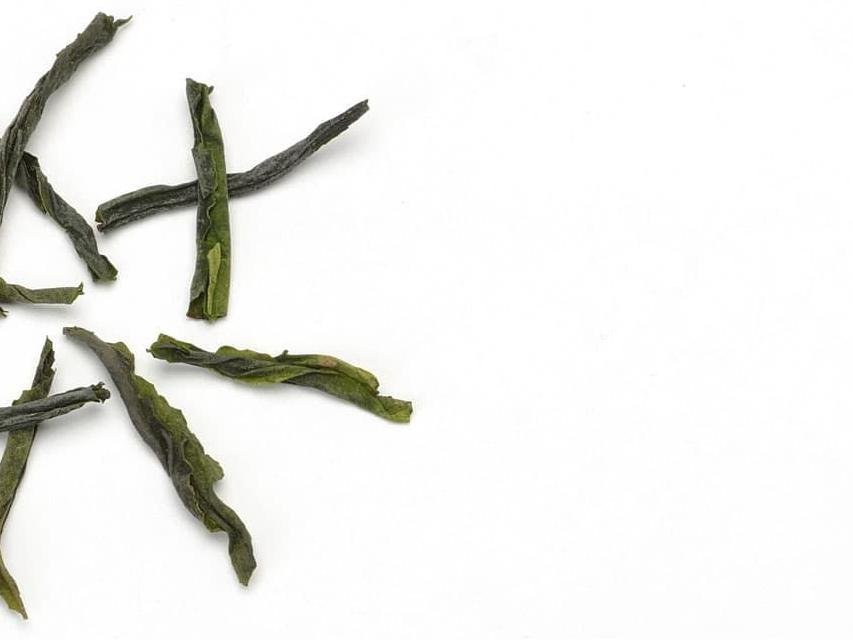
Description
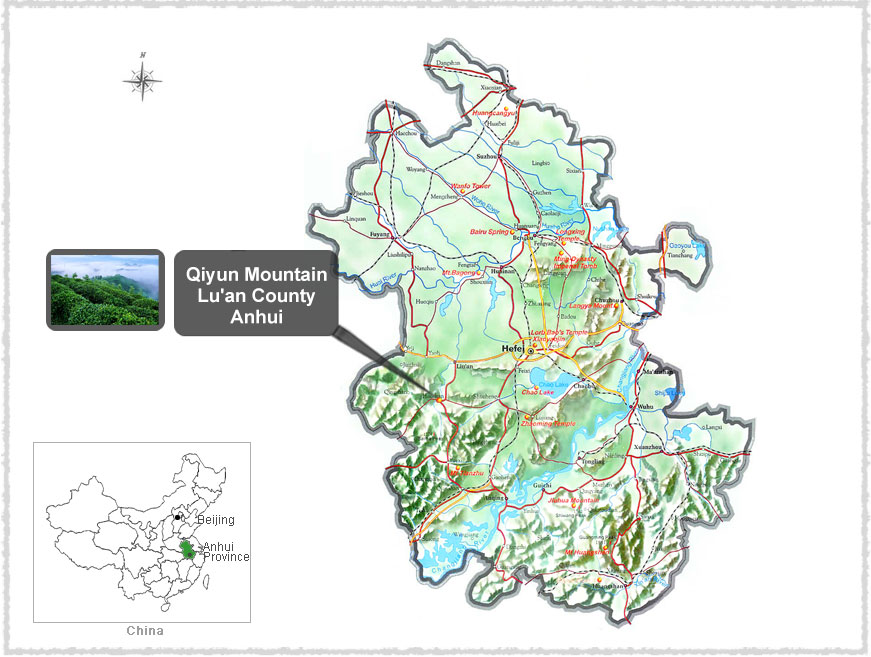
| Origin: | Qiyun Mountain(齐云山), Lu’an City, Anhui province, China |
|---|---|
| Season: | Spring Tea |
| Harvest Date: | May 5, 2025 |
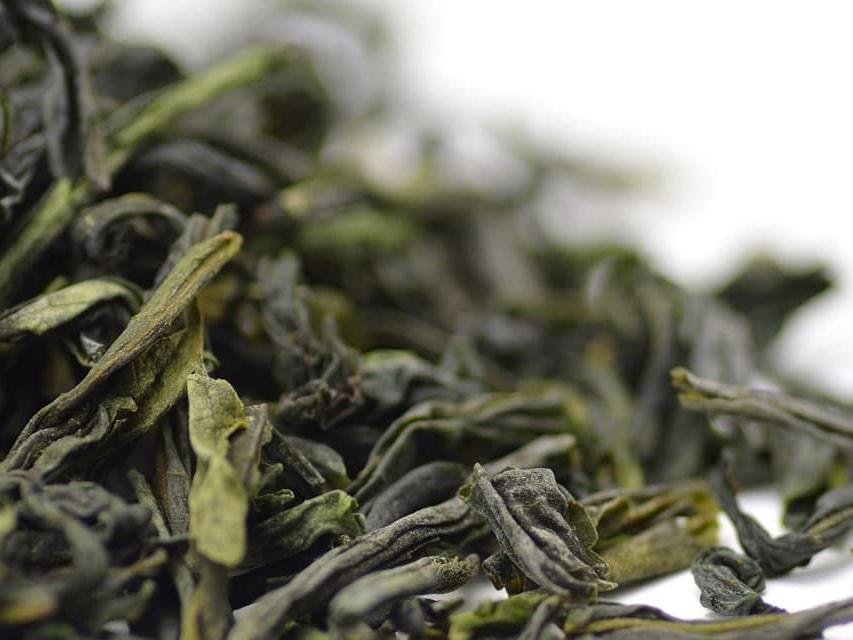
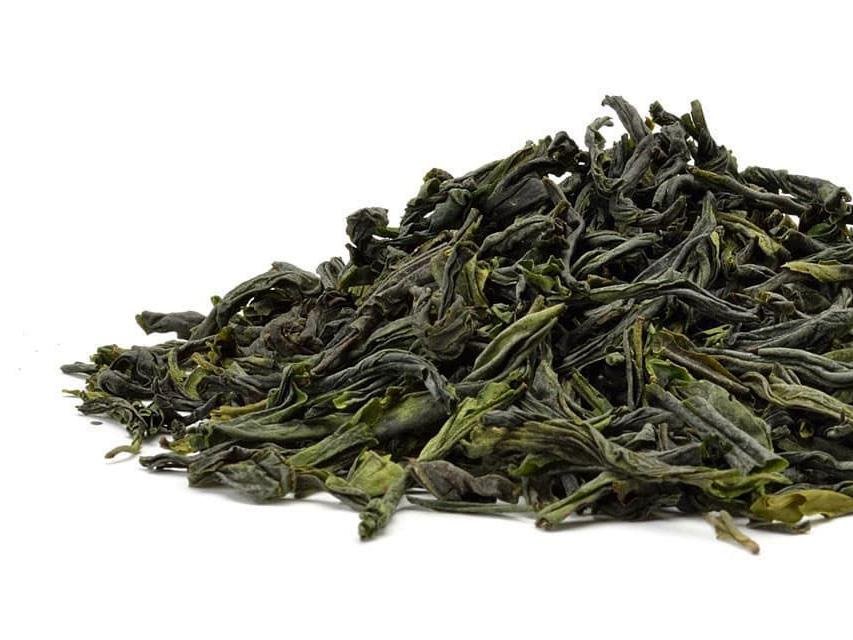
| Dry Leaf: | Vibrant leaves without any buds or stems |
| Aroma: | Refreshing and brisk |
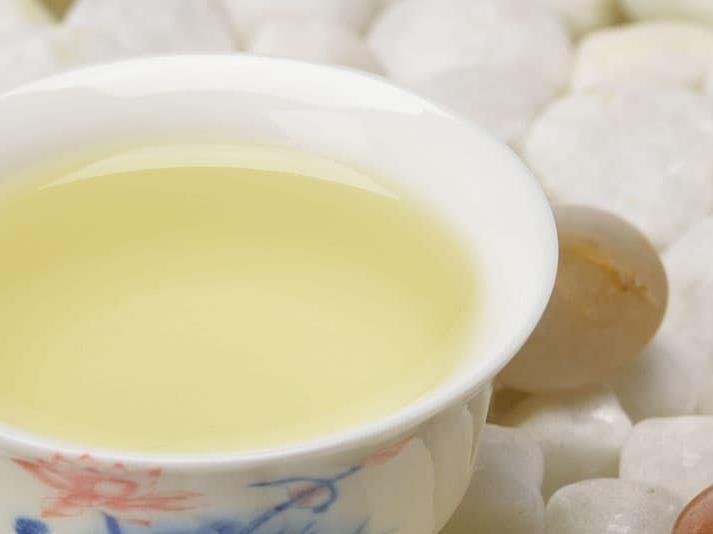
| Liquor: | Bright yellowish-green |
| Taste: | A distinctive taste – sweet with a rich and thicker taste, mellow and long-lasting sweet aftertaste |
| Tea Bush: | Lu An small-leaf tea bush species |
| Tea Garden: | Qiyun Tea Garden |
| Caffeine: | Low caffeine (less than 10% of a cup of coffee) |
| Storage: | Store in airtight, opaque packaging; keep refrigerated |
| Shelf Life: | 18 Months |
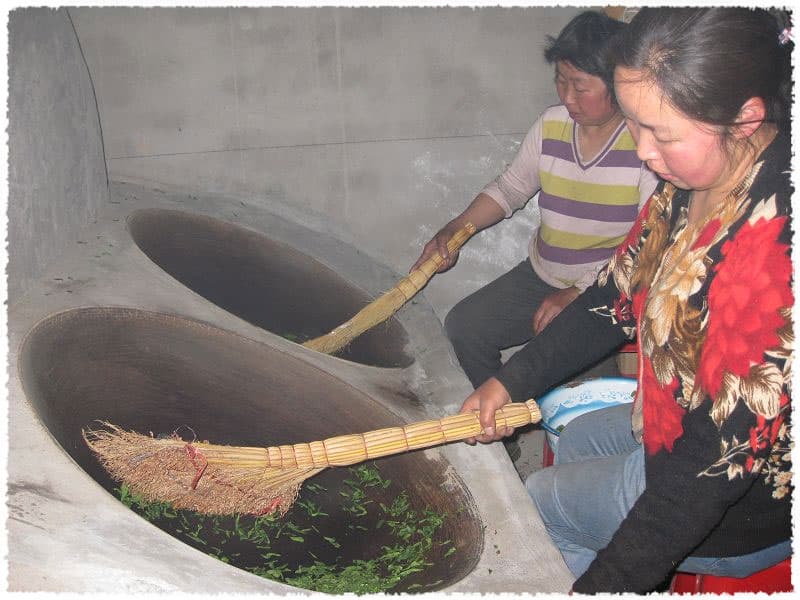
The roasting of Lu’an Guapian is something else unique, too.
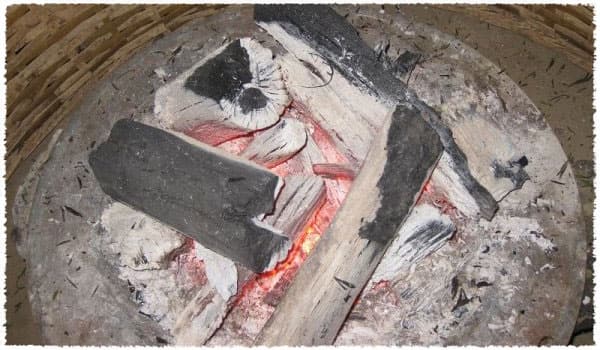
It takes three steps to produce the characteristic and beautiful flavor: a first roast, a second lighter roast, and then the third roast. The doors and windows of the roasting room must be locked tightly during these stages, all three of which are key with the third being the most important also most difficult.
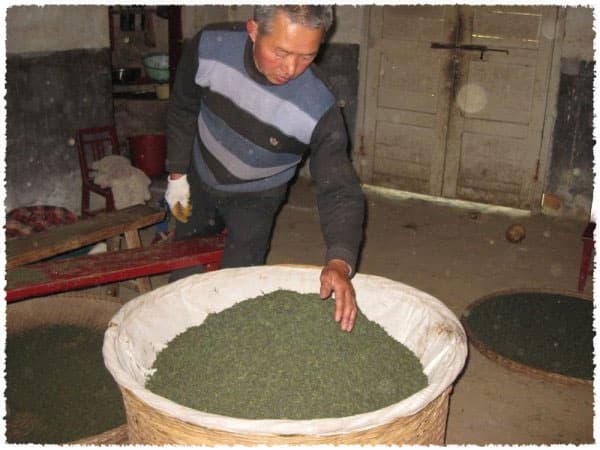
Mr. Kong has been involved in the tea industry for more than ten years, and focuses on providing high quality teas to tea lovers, and on producing increasingly natural, safe, and healthy teas. Asked how he feels about tea culture, Mr. Kong says: “Tea culture is a concept which is different for people in different areas. Although it is complex, one thing’s for sure, and that is just like managing an enterprise, tea culture also needs to be managed to keep up with its fast pace of development in the modern world.”
Our Lu’an Guapian comes from its home region of the Qiyun Mountain in Lu’an County, Anhui. Farms climb up along the high slopes of the mountain, all above 500m and surrounded by natural forests and peaks. The warm weather, abundant rainfall and rich soil texture all make it best environment for growing of tea trees.
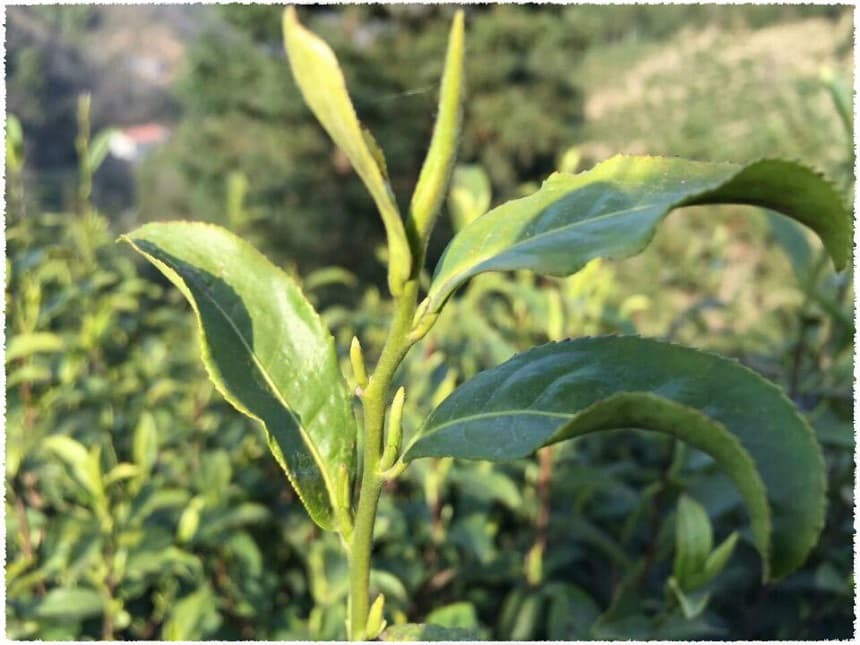
Lu An Guan Pian is made from tea leaves from Lu’an local small-leaf tea bush species which is grown on Qiyun mountain area where the environment is ecologic to make high quality tea moistening by fog. The leaves contains high protein makes the tea great taste and nutritive value.
According to the owner of the farm growing this tea, Lu’an Guapian found its roots in 1905 when a local tea master from the Lu’an Tea Shop purchased some larger tea leaves, and then innovatively removed the stems and stalks to leave only the cut-down leaves. This tea was an immediate success, and inspired all of the other local farmers to produce tea in a similar fashion. In the following years, the involved rolling and pan-drying tea production process still used today came around, and this gave rise to Lu’an Guapian’s distinctive plump shape and complex taste.
Additional information
| ounce | 4 oz(113g), 8 oz(227g) |
|---|
Related products
-
Sale!

Nonpareil Te Gong Huang Shan Mao Feng Green Tea
Price range: $33.90 through $63.90 Select options This product has multiple variants. The options may be chosen on the product page -
Sale!
Award Winning En Shi Yu Lu Green Tea
Price range: $23.80 through $40.80 Select options This product has multiple variants. The options may be chosen on the product page -
Sale!

Meng Ding Mao Feng Green Tea
Price range: $18.80 through $32.00 Select options This product has multiple variants. The options may be chosen on the product page -
Sale!

Longjing Tea, 4 oz
Price range: $8.90 through $14.80 Select options This product has multiple variants. The options may be chosen on the product page
Reviews
There are no reviews yet.